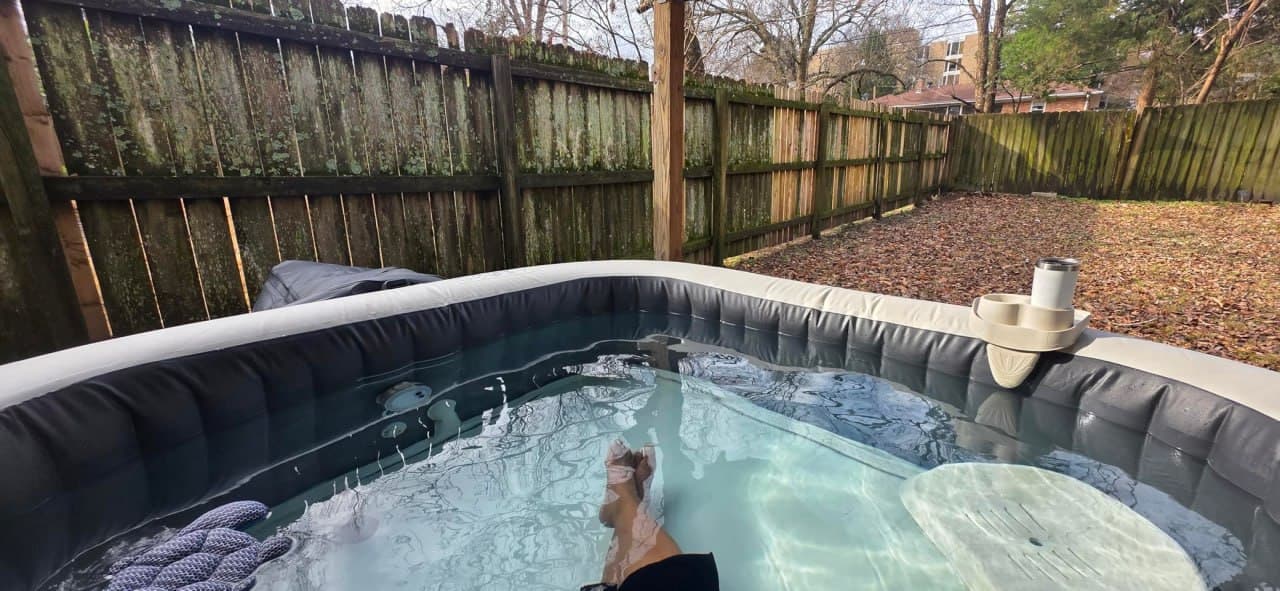
How to Clean an Inflatable Hot Tub: Complete Step-by-Step Guide
Learn how to clean your inflatable hot tub properly with our detailed guide covering draining, scrubbing, filter cleaning, and maintenance schedules.
Read MoreExpert guides, maintenance tips, and how-to articles to help you get the most from your inflatable hot tub. From cleaning and chemicals to cold-weather use.
Owning an inflatable hot tub is one of the most affordable ways to enjoy spa-quality relaxation at home - but getting the most out of your investment requires some know-how. Whether you just unboxed a brand-new Coleman SaluSpa or you've been soaking in your Intex PureSpa for months, our guides cover everything you need to keep your portable spa clean, safe, and running efficiently.
Water chemistry is the single most important factor in maintaining your inflatable hot tub. Unbalanced water leads to cloudy conditions, skin irritation, and accelerated wear on your tub's liner and pump. Our chemicals guide breaks down exactly which sanitizers, balancers, and shock treatments you need - and which ones to avoid.
Regular cleaning prevents biofilm, scale buildup, and bacteria growth that can shorten the lifespan of your spa. Our step-by-step cleaning guide walks you through the full process - from draining and scrubbing the shell to deep-cleaning your filter cartridge.
Seasonal care matters too. If you live in a cold climate, our winter guide explains how to safely use your tub in low temperatures and when it makes more sense to winterize and store it. Proper seasonal storage protects your investment and ensures your hot tub is ready to go when warmer weather returns.
Not sure which inflatable hot tub is right for you? Start with our best inflatable hot tub picks for 2026, or compare top brands like Coleman, SaluSpa, and Intex.
Learn how to clean your inflatable hot tub properly with our detailed guide covering draining, scrubbing, filter cleaning, and maintenance schedules.
Read More
Discover exactly which chemicals you need for your inflatable hot tub, including sanitizers, pH balancers, shock treatments, and how to use them safely.
Read More
Find out if you can use your inflatable hot tub during winter months, plus tips for cold-weather setup, insulation, energy costs, and freeze protection.
Read MoreYou should perform a full drain and clean every 4-6 weeks with regular use. Between deep cleans, check and clean your filter cartridge weekly, test water chemistry 2-3 times per week, and skim debris daily. Keeping a consistent schedule prevents biofilm buildup and extends the life of your tub.
The essential chemicals are: a sanitizer (chlorine granules or bromine tablets), pH increaser and decreaser, alkalinity increaser, non-chlorine shock oxidizer, and test strips. Optional but helpful additions include a foam reducer, water clarifier, and calcium hardness increaser. Never use household bleach or pool chemicals - they are too concentrated for portable spas.
Yes, most inflatable hot tubs are designed to stay running 24/7 between uses. Keeping the heater running on standby and the filter cycling is more energy-efficient than reheating from cold each time. However, always use an insulated cover when not in use to minimize heat loss and energy costs. If you won't use it for more than 2 weeks, draining and storing is more economical.
With proper maintenance, a quality inflatable hot tub lasts 3-5 years on average. Premium models from brands like Coleman, SaluSpa, and Intex can last even longer. The key factors are: regular water treatment to prevent chemical damage to the liner, proper storage during off-seasons, avoiding over-inflation, and keeping the tub away from sharp objects and direct sunlight when possible.
Expect to spend $30-$60 per month on electricity in warm weather and $50-$80+ in winter. Chemical costs add roughly $15-$25 per month. Using an insulated cover, thermal blanket, and ground mat reduces energy costs by 30-40%. Actual costs depend on your local electricity rates, ambient temperature, and how often you use the tub.