What Chemicals Are Needed for an Inflatable Hot Tub?
Keeping your inflatable hot tub water clean, safe, and crystal clear requires the right chemicals. This guide explains exactly what you need, how much to use, and the differences between chlorine, bromine, and other essential treatments.
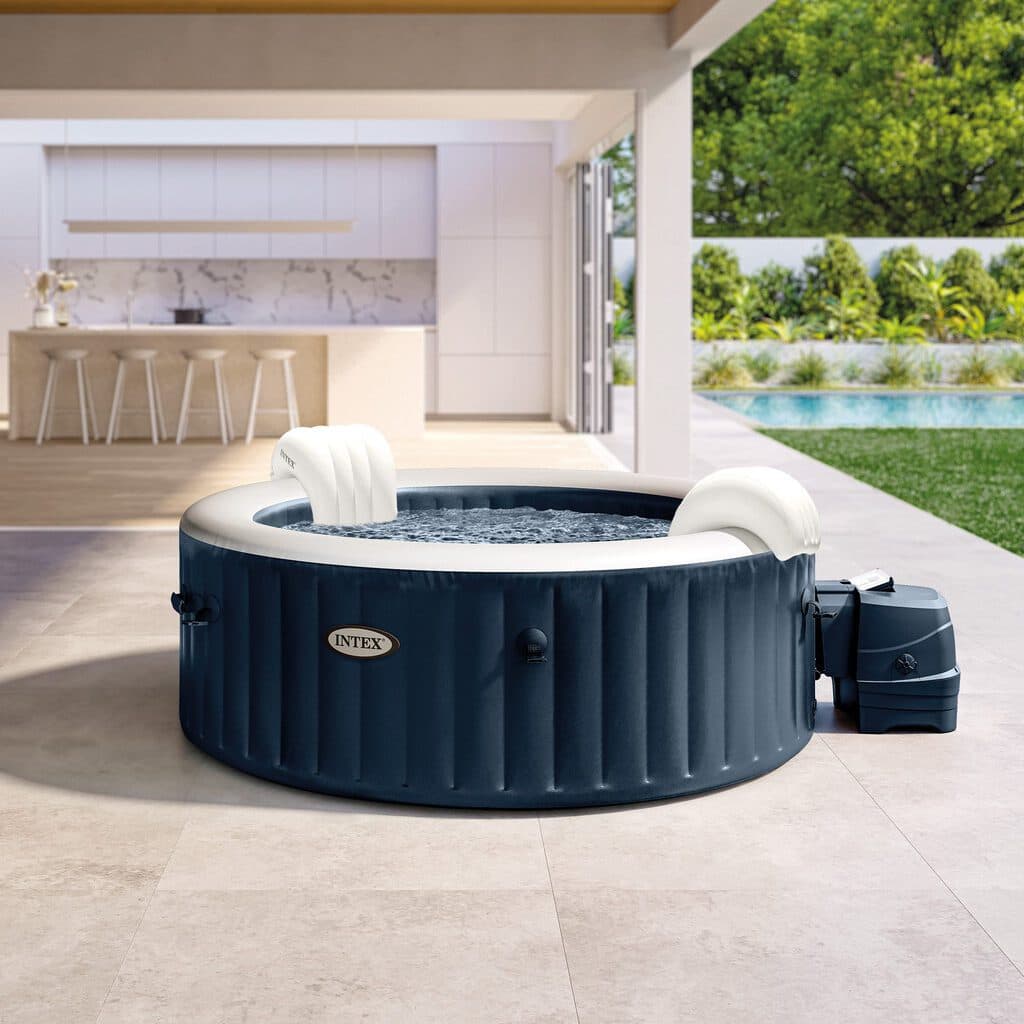
Essential Chemicals for Your Inflatable Hot Tub
Here are the chemicals every inflatable hot tub owner needs, listed in order of importance:
1. Sanitizer (Chlorine or Bromine) - ESSENTIAL
The sanitizer kills bacteria, viruses, and other microorganisms in your water. You must use one of these - it's non-negotiable for safe soaking.
Chlorine Granules (Dichlor): The most common choice. Add 1-2 teaspoons per 200 gallons after each use or as needed to maintain 1-3 ppm. Dissolves quickly and works fast. Cost: $12-$20 for a 2 lb container (lasts 2-3 months).
Bromine Tablets: Placed in a floating dispenser. More stable at high temperatures, gentler on skin, and doesn't produce the "chlorine smell." Maintain 2-4 ppm. Cost: $15-$25 for a 1.5 lb container (lasts 2-3 months).
2. pH Increaser & Decreaser - ESSENTIAL
Water pH should stay between 7.2 and 7.8. Outside this range, sanitizers become less effective, skin irritation increases, and equipment corrosion accelerates.
- pH Up (Soda Ash): Raises pH if below 7.2. Add 1 tablespoon per 200 gallons to raise pH by ~0.2.
- pH Down (Sodium Bisulfate): Lowers pH if above 7.8. Add 1 tablespoon per 200 gallons to lower pH by ~0.2.
3. Alkalinity Increaser - ESSENTIAL
Total alkalinity acts as a pH buffer - it prevents wild pH swings. Target: 80-120 ppm. Use sodium bicarbonate (baking soda works!) to raise alkalinity. Add 1 tablespoon per 200 gallons to raise by ~10 ppm.
4. Shock Treatment - ESSENTIAL
Shocking "supercharges" your sanitizer by oxidizing organic contaminants (body oils, sweat, lotions) that regular sanitizing alone can't handle. Shock weekly or after heavy use.
- Non-Chlorine Shock (MPS): Safe to use with bromine. You can soak 15 minutes after treatment.
- Chlorine Shock (Dichlor): Stronger oxidation. Wait 30-60 minutes before soaking.
5. Test Strips - ESSENTIAL
You must test your water regularly. 5-in-1 or 6-in-1 test strips measure chlorine/bromine, pH, alkalinity, and hardness. Cost: $8-$15 for 100 strips on Amazon. Test 2-3 times per week.
6. Calcium Hardness Increaser - RECOMMENDED
If your water is too soft (below 150 ppm), it can corrode metal components. If too hard (above 400 ppm), it causes scale buildup. Target: 150-250 ppm. Intex PureSpa models have a built-in hard water system, making this less of a concern for Intex owners.
7. Defoamer - OPTIONAL
If you get persistent foam, a spa defoamer provides instant relief. However, foam usually indicates a chemical imbalance or contamination - address the root cause rather than relying on defoamer regularly.
8. Water Clarifier - OPTIONAL
If water is slightly hazy despite balanced chemistry, a clarifier causes tiny particles to clump together so your filter can catch them. Useful but not necessary with proper maintenance.
Recommended Chemical Levels at a Glance
| Parameter | Ideal Range | Test Frequency |
|---|---|---|
| Free Chlorine | 1-3 ppm | 2-3x per week |
| Bromine | 2-4 ppm | 2-3x per week |
| pH | 7.2-7.8 | 2-3x per week |
| Total Alkalinity | 80-120 ppm | Weekly |
| Calcium Hardness | 150-250 ppm | Monthly |
| Water Temperature | 100-104°F | Each use |
Chlorine vs. Bromine: Which Is Better?
| Factor | Chlorine | Bromine |
|---|---|---|
| Cost | Lower ($12-$20 for 2 lbs) | Higher ($15-$25 for 1.5 lbs) |
| Speed | Kills bacteria faster | Slightly slower |
| Hot Water Performance | Degrades faster above 98°F | More stable at high temps |
| Odor | "Chlorine smell" when combined with contaminants | Less noticeable odor |
| Skin Sensitivity | Can irritate sensitive skin | Gentler on skin and eyes |
| Ease of Use | Granules dissolve fast | Tablets in floating dispenser |
| Best For | Beginners / budget-conscious | Sensitive skin / regular users |
Monthly Chemical Cost Breakdown
Here's what to expect for monthly chemical expenses with regular use (3-4 times per week):
- Chlorine or Bromine: $8-$15/month
- pH Adjusters: $3-$5/month
- Shock Treatment: $3-$5/month
- Test Strips: $2-$5/month
- Total: $15-$30/month
Pro Tip: Buy a spa chemical starter kit on Amazon for $30-$50 that includes everything you need for 2-3 months. This is cheaper and more convenient than buying each chemical separately.
For cleaning instructions, see our guide on how to clean an inflatable hot tub. For winter use tips, check using an inflatable hot tub in winter.
Written by Daniel Carter - Senior Hot Tub Reviewer
Certified Pool & Spa Technician (CPO®) · Fact-checked by the White Teamed SPA editorial team
Published · Updated
Need a Hot Tub Chemical Starter Kit?
Find everything you need on Amazon - starter kits, test strips, and sanitizers with fast Prime shipping.
View Top Pick on AmazonInflatable Hot Tub Chemicals FAQ
What chemicals do I need when I first fill my inflatable hot tub?
For initial setup, you need: 1) pH test strips to measure starting water chemistry, 2) pH increaser or decreaser to adjust to 7.2-7.8, 3) Alkalinity increaser if below 80 ppm, 4) Your chosen sanitizer (chlorine granules or bromine tablets), and 5) An initial dose of shock treatment. Start by balancing pH and alkalinity first, then add sanitizer, and wait at least 2 hours before first use.
Chlorine or bromine - which is better for an inflatable hot tub?
Both work well, but they have differences. Chlorine is cheaper, faster-acting, and more commonly available. Bromine is better at hot water temperatures (above 98°F), gentler on skin and eyes, and more stable without needing a stabilizer. For inflatable hot tubs, we recommend chlorine granules for beginners (easier to manage) and bromine tablets for people with sensitive skin.
How often should I add chemicals to my inflatable hot tub?
Test water 2-3 times per week with test strips. Add sanitizer as needed to maintain 1-3 ppm chlorine or 2-4 ppm bromine. Shock the water once a week. Balance pH and alkalinity whenever they drift out of range. After heavy use (parties), test and adjust immediately. A consistent routine prevents most water quality issues.
Can I use pool chemicals in my inflatable hot tub?
Some pool chemicals work in hot tubs, but not all. Chlorine granules (dichlor) are safe for both. However, liquid chlorine/bleach and trichlor tablets are NOT recommended for hot tubs - they can damage PVC liners, are harder to dose correctly in small volumes, and can cause pH swings. Always use products specifically labeled for hot tub or spa use.
What causes foam in an inflatable hot tub?
Foam is usually caused by: body oils, lotions, deodorant, or soap residue from swimmers; laundry detergent residue on swimsuits; unbalanced water chemistry (low sanitizer); or using the wrong type of cleaning products. To fix: add a spa defoamer for immediate relief, then shock the water. To prevent: shower before use, rinse swimsuits without detergent, and maintain proper sanitizer levels.
How much do inflatable hot tub chemicals cost per month?
Expect to spend $15-$30 per month on chemicals with regular use. This typically includes: chlorine or bromine ($8-$15/month), pH adjusters ($3-$5/month), shock treatment ($3-$5/month), and test strips ($2-$5/month). Buying starter kits or multi-packs on Amazon can save 20-30% compared to individual purchases.